


The alarm pulls you out of your sleep as you feel the cold air sneaking inside the blanket. You stare out the window, expecting bare trees and faded green grass, only to see everything covered in a thick sheet of white. An immediate sense of dread curls in your stomach at the reminder of your upcoming winter commitments. With a groan, you cover yourself with the blanket and hope school gets cancelled.
As the seasons change, many students experience shifts in their mood, such as loss of interest in daily activities, fatigue, or difficulty concentrating. This situation is often referred to as the winter blues, a less severe counterpart of seasonal depression. According to the Cleveland Clinic, seasonal depression, also called seasonal affective disorder (SAD), is a type of depression triggered by the change of seasons and most commonly begins in late fall or early winter.
The American Psychiatric Association reports that two in five Americans say their mood worsens in winter. Despite being a common experience, SAD is less noticed or underdiagnosed compared to other major depressive disorders. Students need to be more aware of how to manage SAD, whether for themselves or others around those who are suffering.
To help students who are feeling symptoms of winter blues, we have compiled the following list of the best possible ways to stay positive. This includes making sure health is a priority, saving time for things you enjoy, and staying organized.

Firstly, health is essential. Start by creating a nutritious diet plate using resources and websites like myplate.gov as a reference. According to Better Health Channel, a varied and healthy diet improves your memory, concentration, and level of optimism, protecting you from depression.
A great option would be bringing healthy lunch or snacks from home. Despite its many food choices, Stevenson does not provide the most diverse options of nutritional meals. A lack of healthy food intake can eventually lead to worsened physical and mental status, so ensuring you have nutritious snacks throughout the day is important for feeling more energetic and productive throughout the day.
Exercising is also crucial for your health. The American Heart Association recommends getting at least 150 minutes of moderate-intensity aerobic activity or 75 minutes of vigorous aerobic activity per week to maintain one’s health. For students who sit in the classroom for hours during a school day and do minimal exercise outside of school, sitting at home less is a great place to start. Another example is students who are interested in sports would benefit from trying out for sports teams or joining an intramural league.
To enhance the benefits of a healthy lifestyle, students should go outdoors while exercising. A study published by the National Library of Medicine found that each additional hour spent outside in natural light corresponds to a decrease in the risk of developing long-term depression, also especially important for treating SAD. Sunshine is always a good way to feel reenergized and lift spirits. Similar to the commonly used phrase “touch grass,” a little bit of outside activity will give you some fresh air and an opportunity to go offline.

Students should also find time for the things that bring them joy. According to Nationwide Children’s Hospital, leisure activities induce positive emotions and reduce stress. In school, students can select courses that they are interested in or join clubs after school. These efforts help foster social connections, find others with the same interests, teamwork, and improve emotional well-being.
Supported by the National Institute of Health (NIH), these activities typically involve little mental effort, provide a sense of “being away” and maintain engagement, as they match the person’s interests and abilities, providing relief from the concerns that are constantly occupying the mind. Some examples include reading a non-school related book, playing with your dog, or even watching some TV.
People are always interested in doing things they enjoy, because it gives them time to relax. The passion that you hold for that activity then frees up brain space for other, more tedious activities, which then results in a more productive day. All together, you get more done, and feel better about yourself by the end of the day. Without time for things you enjoy, it becomes easy to fall into the classic slump that winter months can bring. It’s a natural and easy thing to incorporate into your schedule while simultaneously being a way of bettering mental health.
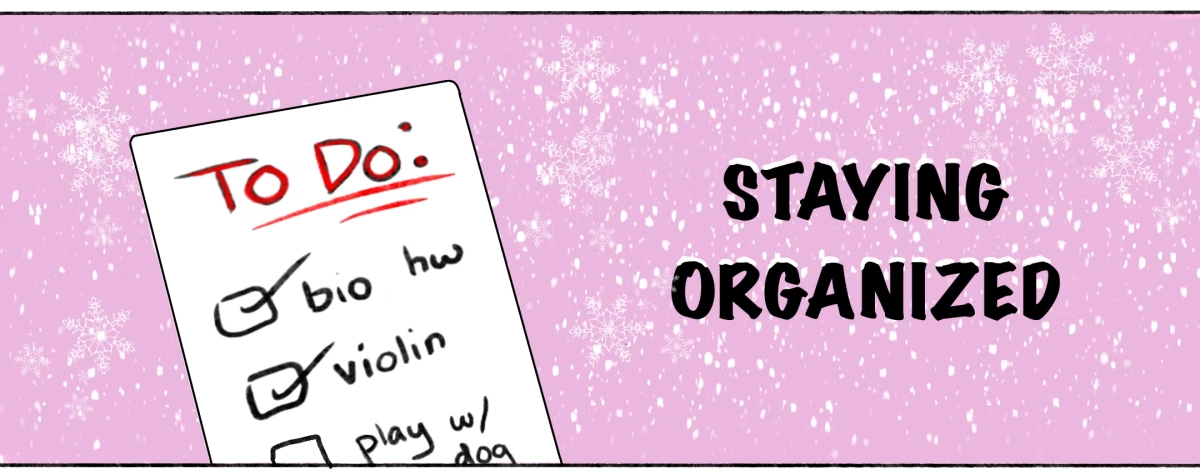
Finally, one of the most important factors is to stay organized. Organized space promotes feel-good hormones like dopamine in the midst of the dreadful conditions of winter months. According to Nuvance Health, people think more clearly, become less irritable, and more productive in an organized setting than in a cluttered one. Instantly, staying organized increases focus and creates a sense of control, reducing anxiety.
Aside from space, staying organized with time becomes significant as academic pressure and stress level rise. Students can create a calendar that divides working, social, and free time. With lists of activities and duties to complete each day, students won’t miss upcoming events or due dates. Calendars also ensure time for relaxation, restoration, and sleep from the day of work. By organizing and maintaining control, students will learn to be independent and responsible, developing an adequate habit for preventing other mood issues.
Although there are a plethora of other ways to minimize symptoms of winter blues, these are some of the easiest to implement in daily life, especially as a high school student. With these additions, many can seek to slowly lessen the depressive slump students often feel during the long winter months.
Stay positive Stevenson!